
Key Takeaways
- Significance of an Effective Drainage Network
- Summary of Improvements from System Enhancements
- Improved Drainage Function and Effectiveness
- Frequent Problems Resolved by Upgrading Systems
- Selecting the Appropriate Drainage Setup
Importance of a Well-Functioning Drainage System
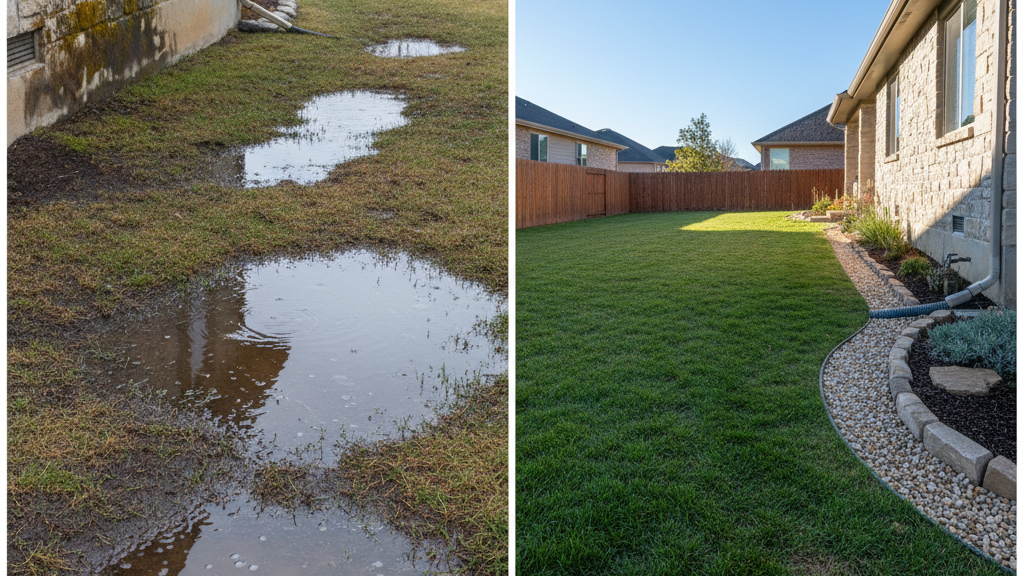
A well-functioning drainage system is essential for maintaining the integrity of any property. Properly designed drainage systems, including sustainable drainage systems (SuDS), effectively manage stormwater, reducing the risk of flooding and water damage. With an efficient drainage network in place, areas such as basements, gardens, and agricultural fields benefit from enhanced subsurface drainage, ensuring that excess water is directed away swiftly. The implementation of trench drains and storm drains plays a crucial role in channeling runoff, which contributes to drainage upgrade benefits that boost property value and minimize maintenance issues. Assessing the drainage area and optimizing drains can lead to remarkable improvements in overall drainage performance, promoting long-term sustainability and resilience.
Understanding Proper Drainage
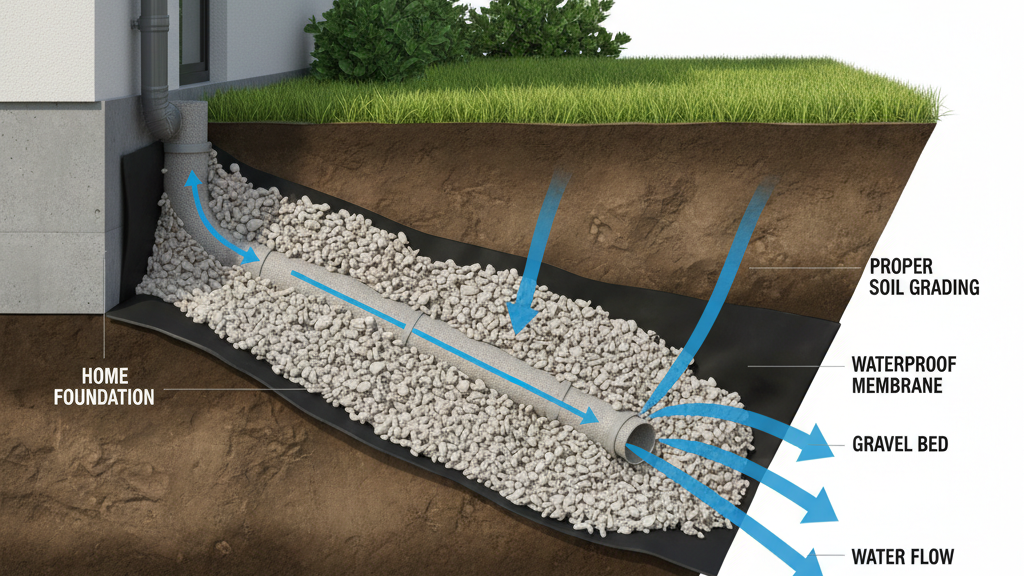
Proper drainage is essential for effective water management on any property. A well-designed drainage system directs water runoff away from buildings and landscapes, reducing the risk of water leaks and flooding. Incorporating elements like drain tiles and French drains can significantly improve sanitation and promote efficient irrigation systems. These features work in conjunction with the sewers and sewage drains to ensure proper disposal and management of excess water.
The benefits of a drainage upgrade are evident in enhanced property protection and improved sanitation. By addressing issues like standing water and inadequate plumbing, homeowners can prevent potential damage caused by floods. A reliable irrigation system not only supports healthy vegetation but also adds value to the property. Overall, investing in an effective drainage solution is crucial for maintaining a well-functioning landscape and ensuring long-term flood prevention.
Key Components of Effective Water Drainage Systems
Effective water drainage systems rely on several key components to ensure optimal performance and efficiency. Installing water pipes, such as those found in storm sewers and french drains, plays a crucial role in managing floodwater during heavy rainfall. Channel drains and canals can direct excess water away from vulnerable areas, significantly reducing flooding risks. The integration of erosion control methods further enhances these systems, protecting property and preserving valuable water resources.
Regular repairs and maintenance are essential for sustaining the functionality of drainage systems. Neglecting these aspects can lead to increased flooding incidents and costly damage over time. Implementing a drainage upgrade not only prevents water damage but also enhances overall water efficiency. By upgrading existing systems, property owners can mitigate potential risks and harness the full drainage upgrade benefits for long-term sustainability and protection against floods.
| Component | Description | Benefits |
|---|---|---|
| Water Pipes | Used in storm sewers and french drains to route water away. | Prevents flooding during heavy rainfall and manages stormwater flow. |
| Channel Drains | Surface drains that collect and divert water away from areas. | Reduces pooling and minimizes flooding risks in vulnerable areas. |
| Erosion Control Methods | Techniques aimed at preventing soil erosion near drainage areas. | Protects property and preserves water resources, maintaining system integrity. |
| Regular Maintenance | Scheduled checks and repairs of drainage systems. | Ensures system longevity and prevents costly damages due to neglect. |
| Drainage Upgrades | Improvements made to existing drainage systems. | Enhances efficiency and reduces the risk of future flooding. |
Overview of Drainage Upgrade Benefits
Upgrading drainage systems provides significant drainage upgrade benefits that extend beyond immediate water management. Efficient systems contribute to effective water resource management, ensuring that sewage treatment plants and reservoirs can operate optimally. Enhanced drainage capabilities reduce flood risks, which is essential for safeguarding properties against water damage. Improved drainage systems also help mitigate soil erosion by ensuring proper runoff management across watersheds. These drainage improvements deliver substantial drainage advantages, promoting a healthier hydrologic cycle and creating a more resilient infrastructure for communities reliant on effective water drainage benefits.
- Improved property protection from flooding and water damage
- Enhanced water quality in nearby bodies of water
- Increased land usability and value due to reduced waterlogging
- Greater sustainability through efficient water resource management
- Lower maintenance costs over time with upgraded systems
- Improved stormwater management in urban areas
- Enhanced community resilience against climate change impacts
Enhancing Property Value through Efficient Drainage
A reliable drainage system plays a crucial role in maintaining property value. Effective drainage systems can prevent common drainage issues such as flooding and water retention. Good drainage not only enhances the aesthetics of a property but also protects foundational integrity. Sustainable drainage practices contribute to improved environmental conditions, fostering a healthier landscape. Implementing drainage improvements can deliver a significant return on investment by enhancing curb appeal and ensuring that properties maintain their market value.
Proper drainage ensures that properties remain safe from water damage, which is vital for long-term investment. Efficient drainage systems can mitigate over-drainage issues while addressing the shortcomings of existing drainage systems. Homebuyers are often attracted to properties with established drainage infrastructure, as it signals that drainage matters have been well-managed. The benefits of a drainage upgrade extend beyond immediate protection, influencing future marketability and financial security for homeowners.
Preventing Water Damage with Optimal Drainage Systems
A well-designed drainage system plays a crucial role in preventing water damage to properties. With an aging drainage infrastructure, many homes and buildings face increased risks of flooding and moisture-related issues. By investing in proper drainage systems, property owners can harness the drainage upgrade benefits that come with a well-maintained drainage system. Efficient water management through smart drainage choices not only protects structures from potential water damage but also enhances the overall lifespan of the property.
The effectiveness of a water drainage system hinges on its capacity drainage and design. Optimal drainage systems are built to handle heavy rainfall and direct water away from foundations, minimizing the risk of leaks and mold growth. Eco-friendly drainage systems provide sustainable options that contribute positively to the environment while ensuring a comprehensive drainage network. Property owners who prioritize proper drainage realize immediate and long-term benefits, including reduced maintenance costs and improved property value.
Enhanced Drainage Performance and Efficiency
Effective drainage performance hinges on a well-planned drainage system that ensures proper water drainage across a property. Poor drainage can lead to a host of issues, including water damage and structural problems. Home drainage systems must be designed with precision, drawing from both conventional drainage systems and modern exterior drainage solutions. High-quality drainage pipes play a crucial role in directing water away from critical areas, while garden drainage systems can prevent saturation and erosion. For larger properties or commercial sites, large-scale drainage systems are essential, particularly in drainage districts where runoff management is vital. The drainage upgrade benefits are evident, as proper drainage prevents costly repairs and enhances the overall functionality of any property.
- Improved water management reduces the risk of flooding.
- Enhanced drainage systems increase property longevity by preventing water-related issues.
- Effective drainage promotes healthier landscapes and gardens by reducing oversaturation.
- High-quality materials in drainage construction ensure durability and reliability.
- Regular maintenance of drainage systems is crucial for optimal performance.
- Upgrading drainage systems can increase property value and marketability.
- Incorporating modern technologies can lead to more efficient water diversion and management.
Factors Contributing to Enhanced Drainage Performance
Effective drainage performance relies on the integration of various components within a yard drainage system. Traditional drainage systems often fall short in managing water flow, leading to pooling and erosion. A drainage upgrade benefits properties by transitioning to multi-flow drainage systems that promote better water distribution. The inclusion of a system drainage pipe designed for optimal flow can significantly enhance exterior drainage performance. This, coupled with regular drain cleaning, ensures clean drains that prevent blockages and allow for efficient surface drainage.
The expertise of drainage designers plays a crucial role in determining the best layout for exterior drainage systems. Strategic placement of water drains and consideration of topography contribute to the effectiveness of these systems. Upgraded yard drainage systems reduce the risks associated with water damage by effectively managing runoff and preventing soil saturation. Enhanced drainage not only maintains property integrity but also supports agricultural practices, as proper drainage increases crop yield by providing the right moisture levels for plant health.
Techniques to Achieve Efficient Drainage
Efficient rainwater drainage is essential for protecting your property from potential damage. Implementing a drainage upgrade provides numerous benefits, including improved water quality through better management of runoff. Upgrading your roof drainage system and installing advanced drainage sprinkler systems can effectively redirect excess water away from critical areas. Employing a proper rainwater drainage system reduces the risk of slow drains and drain problems, ensuring that any collected water is channeled efficiently.
One effective drain cleaning method involves regular maintenance of your basement drain system and other drainage systems around the property. By assessing your existing drainage setup, you can identify areas needing attention, leading to optimal functionality. A well-planned upgrade saves water and enhances the overall efficiency of drainage systems. Prioritizing these techniques brings measurable drainage upgrade benefits, safeguarding your home against water-related issues while preserving its value.
Common Issues Addressed by Drainage Upgrades
Identifying problems with existing drainage systems is crucial for homeowners looking to enhance property value and ensure effective water management. Common issues include clogged sewage drain pipes and ineffective rainwater drainage, leading to poor water flow and increased risk of flooding. Upgrading to high-capacity drains or installing gravel-lined drains can significantly improve sanitation and prevent water damage. Surface drains and yard drains strategically placed in sloped areas enable efficient management of water runoff, while techniques like drain jetting help maintain optimal performance. Emphasizing drainage upgrade benefits not only addresses immediate concerns but also promotes sustainable land use and long-term flood prevention strategies.
Identifying Problems with Existing Drainage Systems
Effective identification of problems in existing drainage systems is crucial to prevent costly water issues. Obsolete or inadequate systems may lead to water leakage, causing significant damage over time. Custom rainwater drainage solutions, such as gravel drains and foot drains, can help alleviate flooding risks. Employing high-capacity drain pipes enhances the flow of water, ensuring that sound drainage systems remain effective, even during heavy rainfall. The drain jetting process, facilitated by advanced drain jetting equipment, can clear blockages, thus maintaining optimal functionality.
Many properties suffer from hydrologic impacts due to insufficient drainage solutions like underwater drainage systems. Recognizing these issues early allows property owners to implement drainage upgrades that provide substantial benefits. Upgrading to top-notch drainage systems prevents or reduces hydrologic impacts on receiving waters, safeguarding local ecosystems. By addressing drainage problems proactively, homeowners invest in performance and reliability, leading to enhanced long-term property value.
The Role of Drainage Matters in Property Maintenance
Effective property maintenance hinges on the implementation of a reliable drainage system that addresses potential issues like basement flooding and water leaks. A drainage upgrade can provide numerous benefits, including preventing costly water treatment and minimizing the need for extensive restoration efforts. By enhancing overall water management strategies through features such as a well-placed French drain pipe or improved unblocking drains, property owners can mitigate rapid water runoff and protect their valuable assets.
Proper water management is essential for maintaining a healthy property. Careful attention to irrigation and the implementation of a water efficiency system can significantly reduce the risk of damage caused by inadequate drainage. Ongoing maintenance efforts play a critical role in ensuring that the whole plumbing system operates smoothly. Engaging in proactive measures, such as stream bank restoration and addressing existing drainage issues, not only safeguards the property but also maximizes the long-term drainage upgrade benefits.
| Drainage Solution | Benefits | Maintenance Frequency |
|---|---|---|
| French Drain | Prevents flooding and redirects water away from the property | Every 1-2 years |
| Surface Drainage | Collects surface water and reduces ponding | Annually |
| Check Valves | Prevents backflow of water into plumbing systems | Every 2-3 years |
| Channel Drains | Effective for driveways and patios to manage water runoff | Annually |
Choosing the Right Drainage Installation
Selecting the right drainage installation involves assessing your property to determine the best improvements that can yield drainage upgrade benefits. A well-designed system can effectively manage heavy runoff, which helps prevent soil erosion and minimizes the risks associated with water quality issues. By ensuring proper drainage, homeowners can significantly reduce the number of floods experienced, including the risk of flooded basements, which often lead to costly repairs and increased maintenance costs. Implementing effective drainage solutions also supports independent infrastructure maintenance, promotes groundwater recharge, and addresses erosion problems that arise with the same irrigation system over time. By focusing on these critical factors, property owners can avoid yearly water loss and ultimately save on flood damage costs.
Assessing Your Property for Proper Drainage Solutions
Evaluating your property for proper drainage solutions involves a detailed inspection of how effectively your current system discharges water. An assessment should identify areas where water accumulation occurs, especially after heavy rainfall. Effective drainage systems play a crucial role in mitigating minor flooding and preventing erosion, which can lead to reduced infrastructure damage over time. By understanding these factors, property owners can recognize the significant upgrades necessary for improved groundwater availability and absorb flood flows.
Conducting an assessment also allows property owners to weigh the drainage upgrade benefits in terms of future flooding prevention. Incorporating upgrades can enhance the efficiency of municipal storm sewers and bolster the overall resilience of the property. This proactive approach not only addresses immediate concerns but also contributes to the long-term restoration of the landscape. Regular ongoing maintenance of the upgraded systems ensures continued performance and maximizes the environmental benefits gained from these investments.
Conclusion
A well-planned drainage system plays a critical role in safeguarding property while simultaneously enhancing its overall value. Understanding drainage upgrade benefits can significantly reduce water damage risks, which, if neglected, can lead to costly repair costs. Stagnant drains are often a source of concern, contributing to the degradation of water quality and impeding efficient wastewater disposal. By implementing effective water quality practices and addressing common drainage issues, property owners can create a sustainable environment that minimizes risks and optimizes performance. These upgrades not only protect against potential hazards but also ensure the long-term viability of the property and its surroundings.
FAQS
What are the key drainage benefits when upgrading to modern drainage systems?
Upgrading to modern drainage systems offers significant drainage benefits, particularly for agricultural drainage and flood prevention. By installing upgraded drainage systems, you can achieve improved water flow, enhanced water quality improvements, and effective prevention of basement water leaks. Such upgrades lead to better management of rainwater drainage systems, which helps prevent erosion and degrade water quality. Moreover, good drainage prevents or reduces hydrologic impacts on receiving waters, thus promoting groundwater recharge and ensuring sustainable land use while minimizing the number of floods you experience.
How can the installation of modern subsurface drainage systems enhance flood prevention and improve sanitation in my property?
The installation of modern subsurface drainage systems can significantly enhance flood prevention and improve sanitation. By implementing these drainage systems, you can effectively manage the flow of water in your property, helping to prevent or reduce hydrologic impacts on receiving waters. Additionally, these systems promote groundwater recharge and contribute to sustainable land use by ensuring that surface drainage system shortcomings are addressed. Upgrading to these systems can also significantly reduce the number of floods you experience, making it a crucial top plumbing upgrade for managing your backyard drain efficiently.
How does a drainage system installation contribute to improved sanitation and flood prevention in agricultural settings?
A well-designed drainage system installation plays a crucial role in agricultural settings by ensuring effective watering of crops while preventing excess moisture that can lead to flooding. Modern drainage systems efficiently manage water flow, promoting improved sanitation and sustainable land use by minimizing stagnant water, which can harbor pests. Slope drainage systems are particularly useful as they facilitate the discharges water away from the fields, thereby enhancing both flood prevention and overall crop health.
What are the advantages of installing advanced drainage systems for flood prevention and improved sanitation while promoting sustainable land use?
Upgrading to advanced drainage systems offers several advantages, including effective flood prevention by managing excess water flow, improved sanitation through better handling of wastewater, and sustainable land use by optimizing soil conditions. These systems efficiently discharge water, helping to maintain the ecological balance in an area and reduce the risk of flooding.
What role do drainage systems play in flood prevention while also ensuring improved sanitation and sustainable land use?
Drainage systems play a crucial role in flood prevention by effectively managing stormwater and reducing runoff, which enhances improved sanitation by directing waste and excess water away from areas where it can cause health hazards. Additionally, well-designed drainage systems promote sustainable land use by allowing for better land management and agricultural practices, as they help maintain optimal moisture levels and minimize erosion. By efficiently discharging water, these systems contribute significantly to both environmental health and community safety.
What advantages do advanced drainage systems offer for ensuring flood prevention, improved sanitation, and sustainable land use while effectively managing how the system discharges water?
Advanced drainage systems provide significant advantages for flood prevention by efficiently managing surface runoff, thereby reducing the risk of flooding. They also enhance improved sanitation by minimizing standing water, which can harbor harmful pathogens. Moreover, these systems promote sustainable land use by preventing soil erosion and maintaining soil health. By effectively discharging water, they contribute to the overall management of drainage systems in property development.
How do modern drainage systems contribute to flood prevention, improved sanitation, and sustainable land use while managing how the system discharges water?
Modern drainage systems play a crucial role in flood prevention by efficiently directing excess water away from vulnerable areas. They also improve sanitation by ensuring proper wastewater management, while simultaneously promoting sustainable land use practices. Additionally, the design of these systems allows for controlled discharge of water, which is vital for maintaining ecological balance and preventing environmental degradation. Thus, the integration of effective drainage systems can significantly enhance both public health and agricultural productivity.
What is the impact of upgraded drainage systems on flood prevention, improved sanitation, and sustainable land use while effectively managing how the system discharges water?
Upgraded drainage systems significantly enhance flood prevention, provide improved sanitation, and promote sustainable land use by efficiently managing how the system discharges water. By utilizing modern techniques and materials, these systems manage excess water effectively, reducing the risk of flooding while ensuring clean water drainage, which supports overall public health and environmental sustainability.
How do drainage systems enhance flood prevention while also promoting improved sanitation and sustainable land use?
Drainage systems play a crucial role in flood prevention, as they manage excess water effectively, reducing the risk of flooding in residential and agricultural areas. Simultaneously, these systems contribute to improved sanitation by ensuring that wastewater is properly directed away from living spaces, preventing contamination. Moreover, well-designed drainage systems promote sustainable land use by managing water resources efficiently, and ensuring that water discharges from the system do not negatively impact the surrounding environment.
What are the long-term benefits of investing in drainage upgrade systems for ensuring flood prevention, improved sanitation, and sustainable land use while effectively managing how the system discharges water?
Investing in advanced drainage upgrade systems provides significant long-term benefits such as enhanced flood prevention, improved sanitation, and sustainable land use. These systems are designed to efficiently manage water discharge, thereby reducing the risk of flooding and promoting healthier environments. Additionally, by optimizing how drainage systems function, property owners can ensure better land stewardship and compliance with environmental regulations.